


Screen Time and Speech Delay: What Parents Need to Know

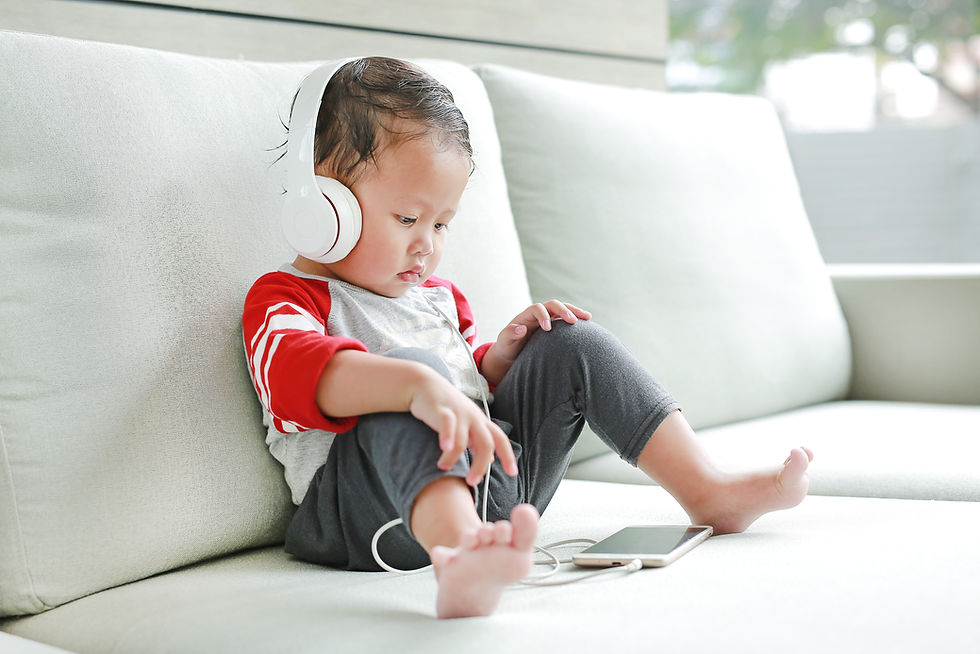
If you've ever handed your toddler a tablet so you could cook dinner, you are in very good company. Screens are everywhere, and parenting is hard. However, a large new body of research is getting attention for a reason: it points to a link between screen time and speech delay in young children.
Here's what the research says, what it doesn't say, and the simple, realistic steps that can help your child talk more.
What the Latest Research Says About Screen Time and Speech Delay
A major study reported by the Associated Press, at the end of September, reviewed research covering nearly three million children from 64 countries. It found that more time on screens was linked to poorer outcomes in learning, speech, and emotional regulation.
Earlier research has pointed the same direction. Studies of toddlers have found that more handheld screen time is associated with a higher risk of expressive speech delay, meaning a child has fewer words than expected for their age.
It's important to be clear: these studies show an association, not proof that screens alone cause speech delay. Still, the pattern is consistent enough that pediatric professionals take it seriously.
Why Screens Can Get in the Way of Language
Babies and toddlers learn language through back-and-forth interaction. They hear a word, watch your face, point, babble, and you respond. This "serve and return" rhythm is how language grows. Screens can interrupt that in a few ways:
Less talking at home. Even background TV can reduce how much adults talk to their children and how often they respond to a child's sounds and words.
No real conversation. A video can't pause, wait for your child to answer, or react to what they said. Children under two learn best from live, responsive people.
Fewer chances to play. Time on a screen is time not spent stacking blocks, pretending, singing, or exploring, all of which build language.
How Much Screen Time Is Too Much?
The American Academy of Pediatrics has long advised avoiding screens for children under 18 to 24 months, other than video chatting with family. For ages 2 to 5, they suggest keeping recreational screen time to about an hour a day of high-quality content, ideally watched together. Every family is different, and perfection isn't the goal. The quality of the content and whether you're engaging with your child matter just as much as the minutes.
7 Simple Ways to Boost Your Child's Language
1. Watch together. Talk about what you see. "Look, the dog is running! Where's the dog going?"
2. Narrate your day. Describe what you're doing as you cook, dress, or walk. "Mommy is stirring the soup. Stir, stir, stir."
3. Pause and wait. After you ask a question or say something, count to five. Give your child time to respond with a sound, gesture, or word.
4. Read every day. Picture books are one of the best language tools there is. Let your child point, turn pages, and fill in words.
5. Sing and play. Songs, rhymes, and games like peekaboo teach rhythm, turn-taking, and new words.
6. Create screen-free zones. Meals, bedtime, and car rides are easy places to start.
7. Follow your child's lead. Join in what they're interested in and add a word or two. If they hold a ball, say "ball" or "roll the ball."
Signs Your Child May Need a Speech Evaluation
Every child develops at their own pace, but talk to your pediatrician or a speech-language pathologist if your child:
Isn't babbling or using gestures like pointing or waving by about 12 months
Isn't using any words by around 16 months
Isn't combining two words by about 24 months
Seems to lose words or skills they once had
Is hard for family members to understand as they get older
Doesn't respond to their name or seems to have trouble understanding you
Trust your instincts. You know your child best, and you don't need to wait for a "wait and see" period to ask questions.
Frequently Asked Questions
Will cutting back on screens fix a speech delay? Sometimes less screen time and more interaction helps. But speech delays can have many causes, including hearing issues, developmental differences, or autism. A speech evaluation can tell you what's going on.
Are educational shows okay? Quality matters, and watching with your child helps. But live, back-and-forth interaction is still best for language learning.
What is a late talker? A late talker is a toddler who is slower than expected to start using words, but who is otherwise developing typically. Some catch up on their own, but others benefit from therapy, and it's hard to know which without an evaluation.
Concerned About Your Child's Speech? We Can Help
At BMS Pediatric Therapy Group, our team helps children build the communication skills they need to connect with the people they love. If you have questions about your child's speech or language, contact us to schedule a consultation!